
PET APPAREL / OEM WORKFLOW
Pet apparel OEM process: sizing to bulk.
OEM pet apparel sizing workflow: body vs garment measures, size matrix, sample fit review, approval record and packing notes.
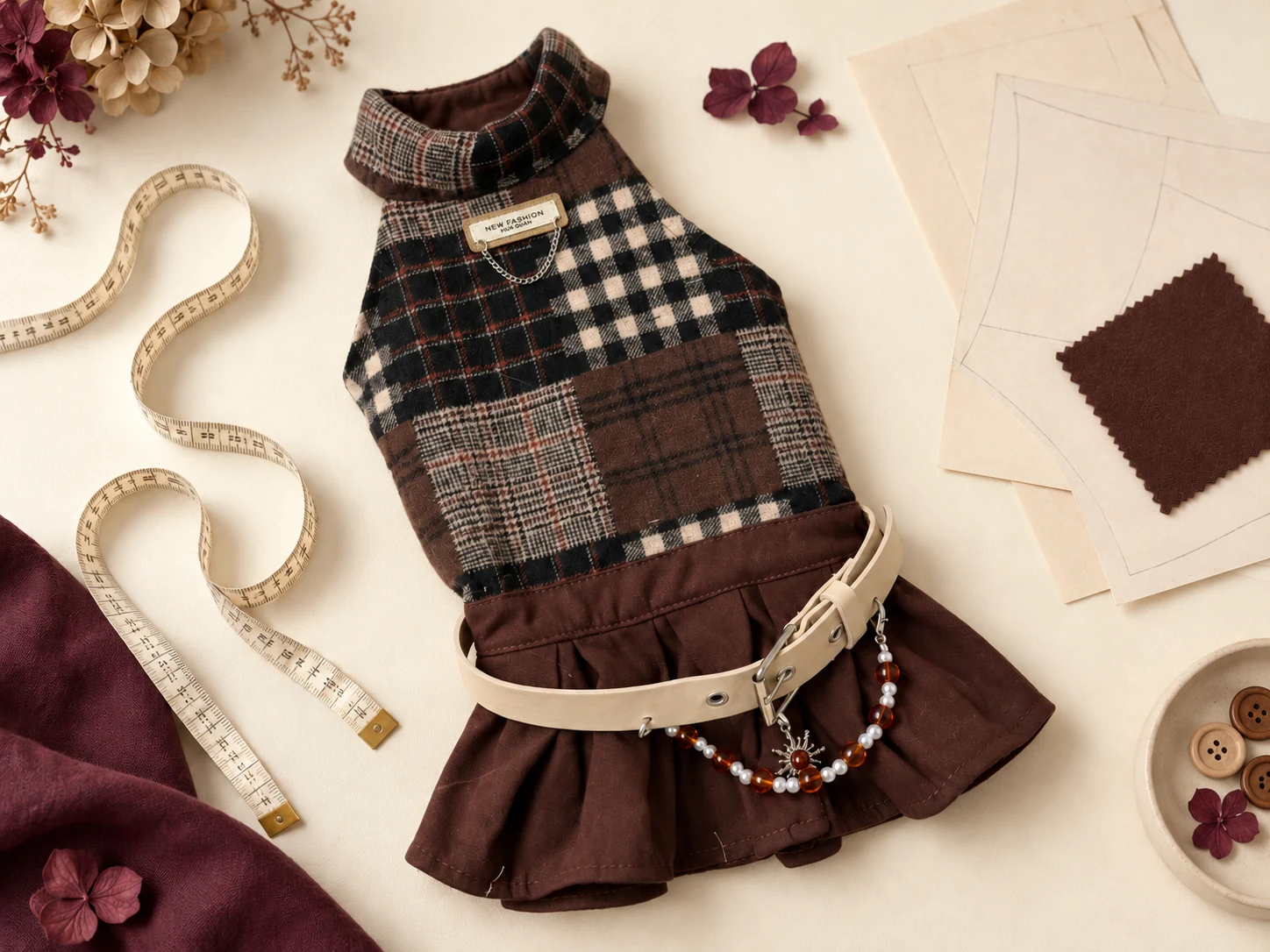
THE SHORT ANSWER
An OEM apparel sizing workflow separates body measurements from finished garment measurements, builds a size and colour quantity matrix, reviews fit on a physical sample, and records the approved revision before bulk. Pattern, fabric and trim changes are assessed per style; MOQ is confirmed against your breakdown, not a catalogue figure.
Separate body measures from garment measures
Record the animal body points you care about and the finished garment points you will accept, with units. Mixing the two sets is a common source of sample disputes.
Build the size and colour matrix early
List units by style, colour and size before quoting. A single total does not establish the minimum for each variant and hides where sampling effort should go.
Send a clear OEM change list
For OEM, send a drawing, tech pack or reference such as D01 or D02 with the changes marked. Open fields should be marked rather than left silent.
Sample fit, then approve one revision
Agree what the sample must answer: fit, trim, fastening, care label and packing. Approve one revision with photographs; that revision defines the batch.
Carry sizing into packing and repeats
Size labels, assortment and care information belong with the approved revision. Repeat orders should quote against that revision and flag any material or grading change.
| Step | Record | Review question |
|---|---|---|
| Measurement map | Body points vs garment points with units | Are the two sets kept separate? |
| Matrix | Units by style, colour and size | Where should sampling effort go? |
| Change list | Marked changes from D01/D02 or tech pack | Are open fields marked? |
| Sample fit | Purpose, revision comments, photos | Which revision will be approved? |
| Handoff | Approved revision into packing and repeats | Will repeats quote the same revision? |
Common gaps in a buying brief.
Mixing body and garment numbers
Label each measurement set clearly.
Quoting from a total without a matrix
Break quantities by variant first.
YOUR NEXT CONVERSATION
Bring these details to the discussion.
Choose the points you want to review. Your selection will be added to the editable specification notes in your enquiry.
Sample approval recordBlank CSV worksheet · opens in a spreadsheetNEXT STEP